Every price in Morocco has two versions. There is the price Moroccan people pay, and there is the price tourists pay. The gap between them is not a rounding error — it can be 200%, 400%, sometimes 1,000% for the same product or service. This guide gives you the actual numbers, category by category, so you can travel Morocco without paying the tourist premium on everything.
Food — The Biggest Gap
Food is where the local vs tourist price gap is most visible and most avoidable. Morocco has two parallel food systems operating in the same cities, sometimes on the same street.
Harira soup
The national soup. At a local counter: 5–8 MAD. At a tourist restaurant near Jemaa el-Fna: 35–60 MAD. At a rooftop with a view: 80+ MAD.
Msemen / meloui (Moroccan flatbread)
Street price: 2–4 MAD each. Café price in tourist area: 15–25 MAD.
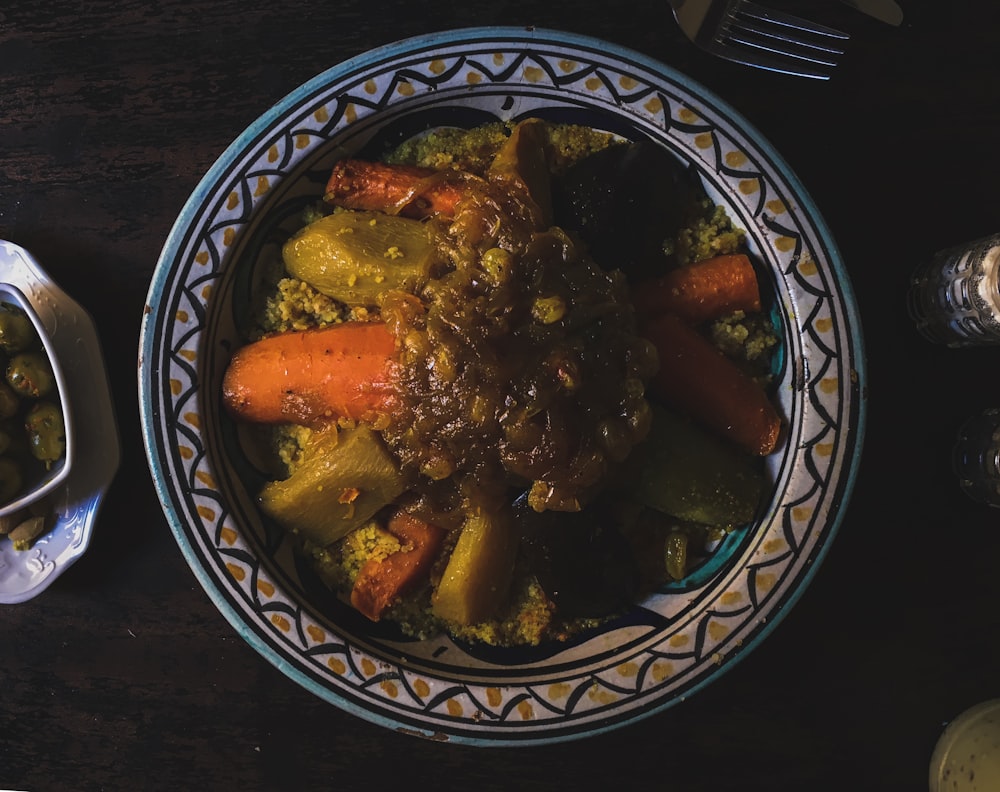
Full sit-down meal (tajine or couscous)
Local neighbourhood restaurant: 35–60 MAD. Tourist-facing restaurant: 80–150 MAD. Medina restaurant with décor: 150–300 MAD.
Fresh-squeezed orange juice (Marrakech)
The famous orange juice stalls on Jemaa el-Fna: 5 MAD is the local price. Tourists routinely pay 25–50 MAD for the same glass because no price is displayed and they don’t ask first.
The simplest food rule in Morocco: if the menu has photos and four languages, you are in tourist pricing territory. If there is no menu and you order by pointing, you are eating local prices.
Transport — The Biggest Risk
Transport is where tourists lose the most money in absolute terms, and where the most unpleasant experiences happen.
Petit taxi (city taxi)
Metered fare, short city trip: 8–20 MAD. What tourists pay without a meter: 50–150 MAD for the same trip.
Always say “compteur s’il vous plaît” (meter please) immediately when entering a petit taxi. If the driver refuses, get out and find another taxi.
Grand taxi (intercity)
Fixed routes, shared: 20–80 MAD depending on distance. Charter (private, whole car): negotiate to roughly 4–5x the shared price.
Bus (CTM / Supratours)
Marrakech to Agadir: 80–120 MAD. Marrakech to Casablanca: 90–140 MAD. These are fixed prices — no negotiation needed.
Train (ONCF)
Casablanca to Marrakech, 2nd class: 95 MAD. 1st class: 145 MAD. Book at the station or online — same price either way.
Men who approach you near train stations, bus stations or major squares offering to “help” with transport are almost never helping. They earn commission on whatever they redirect you to.
Accommodation
Hostels / budget guesthouses
Dorm bed in a decent hostel: 80–150 MAD per night. Private room in a simple guesthouse: 150–300 MAD.
Mid-range riads
A genuine mid-range riad (not the cheapest, not luxury): 400–800 MAD per night for a double room with breakfast. The same riad listed on major booking platforms often costs 20–30% more than booking directly.
Email riads directly after finding them on booking platforms. Many will offer a better rate for direct bookings — they avoid the platform commission and pass some of it to you.
Luxury riads
Genuine luxury (private pool, exceptional service): 1,500–4,000 MAD per night. There is no tourist premium at this level — prices are transparent and fixed.
Shopping — The Biggest Variation

Amlou (authentic cooperative)
Fair price: 80–200 MAD. Tourist price: 300+ MAD.
Culinary argan oil (250ml, genuine)
Fair price: 150–300 MAD. Tourist price: 500+ MAD.
Hammam entry (local neighbourhood)
Local price: 15–30 MAD. Tourist hammam: 300+ MAD.
Henna (simple, real)
Fair price: 20–50 MAD. Tourist price: 200+ MAD.
Daily Budget: What a Full Day Costs
Tight — local everything: 300–500 MAD/day (~$30–50). Hostel dorm, local food, shared transport.
Mid-range — comfortable: 700–1,200 MAD/day (~$70–120). Budget riad, mix of local and decent restaurants.
Comfortable — good riads: 1,500–3,000 MAD/day (~$150–300). Quality riads, nicer meals, private transport.
The biggest variable is accommodation. Food in Morocco is genuinely cheap if you eat where locals eat — a full day of meals at local spots rarely exceeds 100–150 MAD. Transport is cheap if you use what locals use.
Every price in Morocco has two versions: the local price and the tourist price. The difference between paying local prices and tourist prices across a two-week trip can easily add up to hundreds of dollars.
The One Rule That Covers Everything
Every price in Morocco is a function of information. Tourists pay more because they don’t know what things cost. The moment you know, the equation changes completely.
The practical test is simple: before any transaction, ask yourself which type of place you’re in. If you’re sitting in a restaurant facing a famous square with a menu in four languages, you’re paying tourist prices. If you’re at a counter with plastic chairs, a handwritten menu, and every other customer is Moroccan, you’re paying local prices.
Choose accordingly. And when in doubt, walk away. It’s always an option and it’s usually the most effective negotiating tool available — a calm “safi, khalih” (okay, leave it) while starting to walk away does more than any amount of argument.
Morocco is genuinely affordable — but only if you know what things should cost. The tourist premium is not built into the country, it’s built into information asymmetry. Close the gap and you travel like a local.